

Hydraulic vs. Mechanical Dock Leveler – Which One is Right for Your Business?
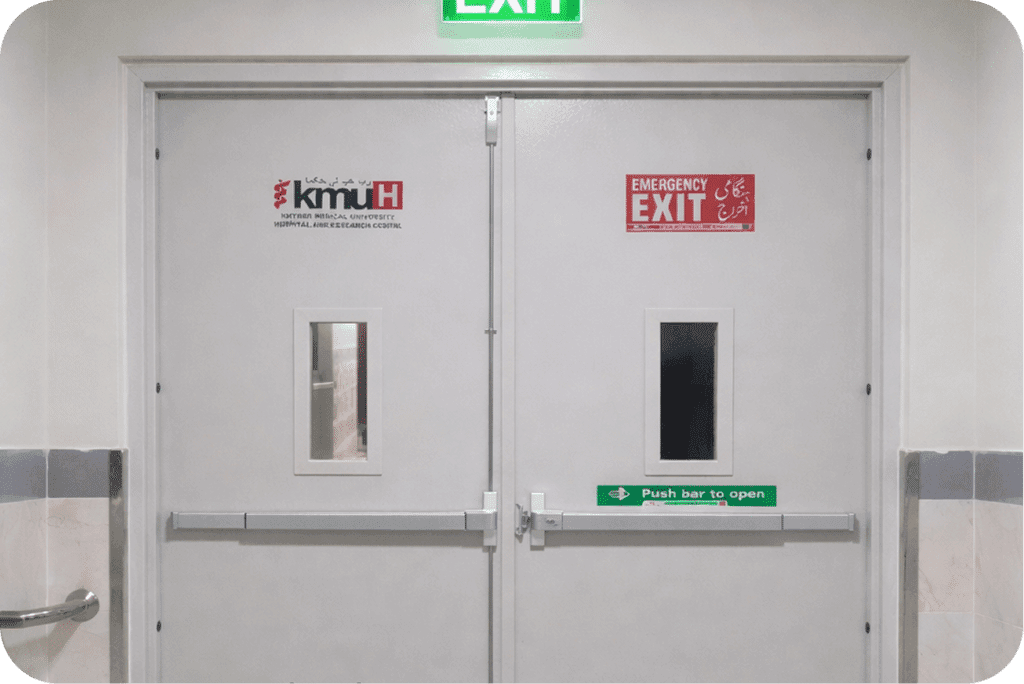
Hydraulic vs. Mechanical Dock Leveler – Which One is Right for Your Business? Hydraulic vs. Mechanical Docks: Key Differences and Business Benefits! When it comes to efficient cargo loading and freight management, selecting the right equipment can make all the difference. One critical decision is choosing between hydraulic and mechanical dock levelers. Both offer unique benefits tailored to specific operations. But which one is right for you? Let’s dive into a comprehensive comparison to help you make the right choice. Understanding Dock Ramps Dock ramps fill the gap between a loading dock and a truck bed, ensuring smooth and safe cargo movement. These tools are important for businesses that depend on forklifts, manual labor, or both for loading and unloading operations. There are two major types: Hydraulic Levelers – Automated systems powered by electricity and hydraulic pumps. Mechanical Levelers – Operated manually using springs and levers. Your choice depends on your operational needs, budget, and the scale of your loading activities. Hydraulic Docks: The Automated Advantage Hydraulic levelers are designed to offer automation and ease, making cargo loading seamless. With a simple button push, these systems adjust the platform to the right height, saving time and reducing manual effort. Crucial Factors to Consider Simple push-button operation for easy control. Controls platform height and lip extension via buttons. Automatically adjusts to trailer floor level when released. Operates within a range of 12 inches above or below dock height. Eliminates the need for chain pulling during operation. Returns to stored position after loading/unloading. Reduces worker strain and injury risk by minimizing manual handling. Composed of motor, cylinders, and hydraulic hoses. Why Choose Hydraulic Levelers? Hydraulic systems offer enhanced safety with automated controls and are ideal for high-capacity operations. They handle heavy loads efficiently and require less frequent maintenance compared to mechanical systems. Their smooth operation ensures stability and reduces sudden jolts. While initial cost and power dependency exist, long-term benefits make them ideal for large-scale facilities. Mechanical Docks: A Reliable Manual Solution Mechanical dock levelers are a cost-effective and durable solution that operates without electricity. They use springs and levers for operation, making them suitable for basic loading needs. Crucial Factors to Consider Operates using spring power with manual activation. Lowered onto trailer bed using operator body weight. Chain system used to release hold-down and extend lip. Secondary chain adjusts for below-dock trailer positioning. Requires more manual effort than hydraulic systems. Contains springs, latches, and moving parts requiring maintenance. Springs are sensitive to temperature changes. Can handle loads up to 6 to 10 tons. Why Opt for Mechanical Levelers? Mechanical systems offer lower upfront cost and are ideal for facilities without reliable electricity. They are simple to install and operate but require more manual effort and periodic maintenance. Key Points That Differentiate The Operations! Frequency of Use: High-volume operations benefit from hydraulic systems. Budget: Mechanical levelers are more cost-effective initially. Power Availability: Mechanical systems work without electricity. Maintenance: Hydraulic systems need less frequent maintenance but may cost more to repair. Final Thoughts: Hydraulic or Mechanical? Both systems serve the same purpose of bridging the gap between dock and truck, but the right choice depends on operational needs. Mechanical levelers suit low-traffic facilities, while hydraulic systems are ideal for high-volume operations. Hydraulic levelers handle varying truck heights more efficiently, while mechanical ones offer lower upfront cost but higher manual effort. Choosing the right solution depends on balancing cost, usage, and long-term efficiency. Once you’ve decided, Mechatronix Solutions offers high-quality dock levelers designed for safety, durability, and performance. Contact us to find the perfect solution for your facility. Waseeq Aftab April 15, 2026 2:36 am
Top 10 Benefits of Installing Flap Gates at Your Organization!
Top 10 Benefits of Installing Flap Gates at Your Organization! Why Your Organization Needs Flap Gates – Explore Top 10 Advantages! In today’s fast-paced world, managing access control efficiently is crucial for organizations of all sizes. Flap barriers, also known as flap gates, offer a sophisticated and secure way to regulate entry while enhancing operational efficiency. Whether you run a corporate office, a commercial facility, or a high-security establishment, installing access control gates can be a game-changer for your organization. Let’s dive into the advantages of installing retractable gates and why they are necessary for organizations that aim to enhance security, efficiency, and data management. 1. Enhanced Access Control Access control is the foundation of security for your organization. These entry control barriers provide a seamless solution for managing who enters and exits from designated areas. They ensure that only authorized people have access. You can integrate them with advanced authentication systems such as RFID, biometric scanners, keycards, or facial recognition technology. This allows organizations to set up controlled access points without the need for manual security checks. 2. Smooth Entry & Exit Management Smart access helps streamline entry and exit processes. With quick response times and efficient operation, they prevent crowding and reduce long queues at entry points, improving overall flow and productivity. Traditional security checks often create blockages and frustration, especially in high-traffic areas like corporate buildings, malls, and metro stations. 3. Seamless Integration with Data Management Systems Automatic gates integrate with data systems, tracking attendance, visitor logs, and security analytics. By integrating with workforce management tools, organizations can monitor employee entry and exit times, ensuring payroll accuracy and better compliance. 4. Less Power Consumption Modern flap barriers operate with low power consumption and ensure fail-safe security. In case of power failure or emergency, they can automatically open for safe evacuation. They are energy-efficient and designed for long-term reliable use with minimal operational cost. 5. Modernize Your Business Operations Flap barriers introduce advanced technology into your workplace, improving both security and operational efficiency. They record detailed entry and exit data using cards, biometric authentication, or facial recognition, ensuring a fully traceable access system. 6. One-Time Investment One major advantage is cost efficiency. Unlike recurring security staff costs, flap barriers require a one-time investment with minimal maintenance expenses. Over time, they significantly reduce operational costs while improving efficiency and reliability. 7. Customizable Design Options Flap barriers come in multiple designs and finishes, including stainless steel, glass, and acrylic options. You can choose single, double, or triple-lane configurations depending on traffic needs. LED indicators and branding options also enhance aesthetics and functionality. 8. High-Speed Operation These systems operate at high speed, ensuring smooth and fast entry and exit even in high-traffic environments. This is especially useful in airports, offices, and transit hubs where time efficiency is critical. 9. Space Efficiency Flap barriers require minimal floor space compared to traditional turnstiles, making them ideal for compact entry areas. Their sleek design ensures security without obstructing movement or reducing usable space. 10. Better Visitor Management Flap barriers integrate with visitor management systems to automate guest entry, issue temporary access, and track movement. This reduces manual work, improves security, and enhances visitor experience by minimizing wait times. Why Choose Flap Gates for Your Organization? With advancing technology, retractable barriers have become essential for modern organizations seeking efficient access control systems. They improve security, reduce risks, and streamline operations. Mechatronix Solutions offers high-quality flap barriers made with durable materials and advanced technology, ensuring reliable and long-lasting performance for all types of facilities. Waseeq Aftab April 15, 2026 2:34 am
Why Install Dock Levelers? 10 Advantages You Need to Know!
Why Install Dock Levelers? 10 Advantages You Need to Know! Top 10 Advantages of Installing Dock Levelers at Your Warehouse In today’s fast-paced logistics and warehousing industry, efficiency and safety are top priorities. One essential component that significantly improves warehouse operations is a dock leveler. These devices create a seamless transition between loading docks and trucks, ensuring smooth and secure movement of goods. In this blog, we will explore the top 10 benefits of dock levelers and why they are an essential investment for your warehouse. 1. Improved Safety for Workers One of the most critical advantages of loading ramps is improving workplace safety. When there is a gap or height difference between the dock and the truck, workers are at risk of slips, trips, and falls. This can lead to serious injuries and operational delays. You can eliminate these hazards by creating a stable leveled surface for loading and unloading goods by implementing dock ramps. They also prevent sudden shifts in equipment, ensuring that forklifts and pallet jacks can move smoothly without the risk of tipping over. 2. Increased Operational Efficiency Efficiency is a key in warehouse operations, as there are many workloads to complete in minimum time. These leveling systems play a major role in speeding up loading and unloading processes. Without a dock leveler, workers might struggle with manual adjustments, tiredness, and product management, which leads to delays and inefficiencies. Additionally, trucks can be loaded and unloaded faster and more efficiently. It not only saves your time but also increases quicker turnaround times, helping warehouses improve their workflow and productivity. 3. Accommodates Various Truck Heights Not all delivery trucks are the same height, which can pose challenges during loading and unloading. Dock ramps are designed to adjust to different truck heights, making it easier to move goods without complications. The standard height range is typically 48 inches to 52 inches and applies to almost all freight loading docks. This flexibility ensures that warehouse operations run smoothly and efficiently, regardless of the types of trucks used. It also reduces the risk of damaging goods due to height mismatches. 4. Secure Your Warehouse Keeping your warehouse secure is essential. Sometimes, intruders may try to access your loading area at night for illegal loading or theft. With dock levelers, you can prevent this by locking them using electronic switches, manual locks, or mechanical locks depending on your needs. These security features not only protect your goods but also reduce operational risks and unnecessary security costs while keeping your warehouse safe. 5. Reduce Downtime with Efficient Loading Dock levelers provide a seamless link between trucks and loading docks, ensuring smooth 24/7 operations. They keep your workflow uninterrupted, reducing delays and speeding up loading and unloading processes. By eliminating manual adjustments and uneven surfaces, dock levelers save valuable time and improve productivity across your operations. 6. Eco-Friendly and Noise-Free Operations Dock levelers help create a quieter and more eco-friendly work environment by ensuring smooth and automated loading. This is especially important for industries like pharmaceuticals and food factories. Automated levelers also improve energy efficiency by sealing gaps between trucks and docks, reducing energy loss and lowering heating and cooling costs. 7. Protect Your Dock, Vehicles, & Goods Uneven loading surfaces can cause goods to shift or fall, leading to damage and financial losses. A loading ramp ensures a smooth transition between dock and truck, protecting goods and reducing equipment wear. Forklifts and pallet jacks also benefit from reduced strain, which lowers maintenance costs and extends equipment lifespan. 8. Handles Heavy Loads with Ease Dock levelers are designed to support high-capacity loads, making bulk shipment handling easier and safer. Mechanical levelers can handle up to 6 to 10 tons. Hydraulic and air-powered dock levelers can handle up to 12 to 40 tons, ensuring reliable performance even under heavy-duty operations. You can choose between Mechanical and Hydraulic ramps as per your working requirements. 9. Meets Compliance and Regulatory Standards Installing dock levelers helps warehouses comply with OSHA and other safety regulations, reducing legal risks and improving workplace safety standards. It also enhances business reputation by showing commitment to safety, efficiency, and employee well-being. 10. Offers Long-Term Cost Savings Although dock levelers require an initial investment, they reduce accidents, product damage, equipment wear, and energy expenses over time. This makes them a cost-effective long-term solution for improving warehouse productivity and profitability. Upgrade Your Warehouse – Invest in the Best Dock Leveler Today! The benefits of dock levelers go beyond efficiency—they enhance safety, protect inventory, reduce equipment wear, and optimize warehouse performance. At Mechatronix Solutions, we provide top-of-the-line hydraulic and mechanical dock levelers tailored to meet your warehouse’s specific needs. Waseeq Aftab April 15, 2026 2:33 am
How to Fire-Proof Your Building with Smart Choices
How to Fire-Proof Your Building with Smart Choices Fire-Proof Your Building with Smart Choices! Protect your property, people, and peace of mind. Keeping your building safe from fire is not just about following rules. It’s about making smart choices at every stage design, construction, and daily use. Fire safety starts with awareness and ends with solid systems in place to protect everything that matters. Whether it’s an office, apartment, or commercial space, there are clear steps you can take to reduce fire risks and improve building safety for everyone. Use Certified Electrical Components One of the most overlooked fire hazards in any building is poor wiring. Substandard cables or overloaded circuits can overheat and spark fires. That’s why using UL-certified wiring is critical. It ensures the wiring has passed proper fire-resistance and safety tests. Don’t cut corners with electrical fittings. Only install high-quality electronics and electric equipment that meet fire safety regulations. Also, install authentic UL-certified doors. A little investment in quality can prevent a major disaster. Install Reliable Fire Protection Systems Intelligent fire suppression systems, such as sprinklers or gas-based systems, can quickly control or even extinguish flames before they spread. These systems are vital in areas with expensive equipment or limited access. Smart smoke detectors add another layer of defense. They can alert you early, even if no one is around. Make sure to check that these are installed in all critical zones. Don’t forget fire extinguisher use they should be easy to reach, clearly labelled, and regularly maintained. Build Safe Escape Routes and Fire-Rated Doors In the event of a fire, a quick and safe escape is essential. This is where well-planned evacuation routes and fire escape paths come into play. Clearly mark obstacle-free paths to the nearest exits and display these routes prominently for everyone to see. Ensure that doors along these routes are fire-rated, providing resistance against heat and helping contain the spread. Mechatronix Solutions offer top-quality fire-rated doors for buildings across Pakistan. These doors are ideal for commercial properties and provide valuable protection for apartment complexes. Follow All Safety Regulations and Codes Each city and province has its own fire safety regulations and building authority codes. Following them isn’t optional it’s essential. These rules are designed to reduce fire risks and ensure the building is prepared for emergencies. From construction materials to fire alarms and ventilation systems, everything should comply. Following safety codes isn’t just about legal compliance. It’s about fire prevention. Use Fire-Resistant Materials for Enhanced Safety Using non-flammable materials can greatly reduce the risk of fire spreading. Opt for marble, stainless steel, or treated stone for countertops and cabinets. Ceramic tiles, metal sheets, or brick make excellent choices for kitchen splashbacks and walls. Stairways should be made from fire-resistant materials to ensure safe evacuation from upper floors in multi-story buildings. These materials provide a vital layer of protection in case of an emergency. Train Your Team and Practice Regular Drills Fire safety awareness training is just as important as the tools you install. Teach staff or tenants to turn off lights and unplug electrical appliances when not in use. Make sure everyone knows how to use a fire extinguisher and what to do when an alarm goes off. Regular fire drills help reinforce this. When people practise what to do, they’ll stay calmer and safer in real situations. Schedule Regular Inspections and Maintenance Even the best systems won’t work if they’re broken. Schedule routine checks for all fire equipment, including smoke detector installation, alarm panels, fire doors, and extinguishers. Ensure fire exits are not blocked or locked. Hire certified professionals to inspect wiring, gas lines, and suppression systems at least once a year. Taking time for maintenance helps you spot fire hazards before they turn dangerous. Plan Ahead for Fire Emergency Preparedness You can’t always stop a fire from starting, but you can plan for what happens next. Create an emergency response plan that includes clear steps for evacuation, communication, and safety checks. Assign roles like who helps people with mobility issues, who calls emergency services, and who leads the drill. Keep emergency numbers posted and accessible. This is the core of fire emergency preparedness knowing what to do when seconds matter. Make Building Safety a Shared Priority Building safety is a team effort. From the owner and managers to the cleaning crew and residents, everyone has a role. Post safety tips in common areas. Make sure fire exits stay open. Test alarms regularly. Share evacuation maps. When fire safety becomes a habit, not just a policy, the entire building becomes more secure. For a comprehensive guide to enhancing building safety, explore fire safety precautions, including fire-rated materials, safe designs, and proactive planning. Protecting Your Building and Its Occupants It is crucial to maintain the safety of both the building and its occupants. Effective fireproofing requires a combination of fire-resistant materials, well-planned designs, and structural techniques like compartmentalization to limit fire spread. Key measures such as installing fire safety doors, using non-flammable roofing materials, and maintaining proper ventilation systems play a key role in protecting both property and people. At Mechatronix Solutions, we don’t just provide expert fire safety advice we also offer premium fireproof equipment, including fire-rated doors, windows, and certified doors to secure your property. Whether you’re upgrading an existing system or starting from scratch, our team ensures you meet all safety standards with confidence. Get in touch today and take the first step toward a safer tomorrow. Waseeq Aftab April 15, 2026 2:31 am
Creating a Fire Escape Plan That Actually Saves Lives!
Creating a Fire Escape Plan That Actually Saves Lives! When we think about fire safety in commercial buildings, the first thing that usually comes to mind is ticking off boxes for compliance. Many owners and managers assume that if they’ve followed the National Building Code of Pakistan or the CDA Building Bylaws, they’re covered. But the truth is, following the rules is just the starting point not the finish line. A tragic gas explosion in Multan, Punjab, claimed five lives and injured 31 others early Monday. The blast, caused by a liquefied petroleum gas leak, sparked a massive fire that tore through a residential colony around 12:25 a.m., scattering debris and causing widespread damage. This heartbreaking incident shows how essential proper fire safety plans, regular maintenance, and emergency preparedness are in residential areas to prevent such disasters. That’s why having a working fire escape plan and mandatory precautions is more than just about compliance. It’s about protecting lives, reducing panic, and giving people a real chance to get out safely. What Makes a Fire Escape Plan Effective? Clear Escape Routes Matter Think about your office, factory, or shop floor for a second. If a fire broke out, would your team know which way to run? A solid fire escape plan needs to show both a primary and secondary escape route for every person in the building. These routes should never be blocked not by furniture, storage boxes, or anything else. Signs should glow in the dark and be visible even through smoke. They should point clearly toward the exits. In Pakistan, where power outages are still common, this becomes even more critical. Outdoor Assembly Points Where do you go once you’re outside? A safe, open area far from vehicles, electrical boxes, or fuel sources is what you need. This is where your team can gather, take a headcount, and check if anyone needs help. Imagine trying to find your team members in chaos with no designated spot. It wastes precious minutes. So, set a fixed place and make sure everyone knows it. Emergency Lights and Exit Signs Picture this: a fire breaks out during office hours. Smoke fills the halls, and the lights go out. People panic. Now imagine the same scene but glowing lights mark the exits, and emergency lights guide the way. Big difference, right? That’s why emergency lighting and photoluminescent exit signs are not optional. They’re lifesavers. Make sure they’re tested regularly. Batteries fail, and bulbs burn out, don’t wait to find out during an emergency. Fire Extinguishers and First Aid Kits Not all fires grow instantly. Some start small and if handled right, can be put out fast. That’s where fire extinguishers come in. Most workplaces need ABC dry chemical extinguishers. These are good for paper, electrical, and fuel-based fires. But if you run a kitchen or a lab, you might need wet chemical or CO2 extinguishers instead. Just having them isn’t enough. People should know how to use them. First aid kits should also be available on every floor and visible. Basic training for staff can make a real difference in those first few minutes. Who Does What? Communication is Key In an emergency, seconds matter. There should be no confusion about who is calling 1122 or the fire brigade, who is activating the alarm, or who is leading others to safety. Assign Fire Wardens people trained to guide their teams out and manage the situation. Think of them as your go-to safety leaders during a fire. In high-stress moments, leadership brings calm. Why Fire-Rated Doors Deserve More Attention You probably pass by your office doors every day without thinking twice. But fire-rated doors are silent heroes during a fire. They can hold back flames and smoke for anywhere between 30 to 120 minutes, depending on the type. These doors protect your staircases and hallways the main escape routes. But only if they’re installed correctly. That means using certified frames, self-closing mechanisms, and never ever propping them open. If your building has large glass windows or internal windows, consider installing fire-rated glass as well. Also, get them inspected regularly. A warped door or broken seal could fail when you need it most. Real Safety Means Planning for Everyone Include People with Special Needs Every person matters. Your fire escape plan should help those who can’t use stairs or may not hear alarms. You might need evacuation chairs, tactile floor indicators, or buddy systems to help them out. If you don’t plan for them, you’re leaving people behind. High-Rise Offices Have Different Needs If your building has more than six floors, you can’t expect everyone to rush down the stairs at once. That’s a recipe for chaos. Instead, plan for staggered evacuations. Assign Floor Marshals who can coordinate movement safely. Elevators are out of the question during a fire, so stairs must stay clear and functional. Watch Out for Weather We know winters in parts of Pakistan like Murree, Quetta, or even northern Punjab can get rough. Snow and ice can block exits or make outdoor paths slippery. So, make sure winter maintenance includes de-icing and clearing snow from emergency exits. Know Your Building’s Risks Not every building is the same. A garment factory will have different fire risks than a restaurant or a chemical warehouse. For example, kitchens need to watch for grease fires, while labs may need chemical spill containment. Customize your fire escape plan based on the actual risks in your space. Practice Makes Safety Real Train Your Staff Teach your team about exits, alarms, and who their fire wardens are. Practice using extinguishers. Walk them through the assembly point. Fire safety isn’t just a job for the safety officer, it’s everyone’s responsibility. Run Drills Twice a Year Have fire drills at least twice a year. After each one, get feedback. Did people know where to go? Was there confusion? Use that input to update your plan and fix weak spots. Don’t Forget New Hires When someone joins your company, don’t just
Flap Barriers vs Turnstiles: Implement the Right Access Control Sys!
Flap Barriers vs Turnstiles: Implement the Right Access Control Sys! Flap Barriers or Turnstiles – What’s Best for Secure Access Control? In today’s high-traffic spaces, security isn’t just a requirement, it’s a critical part of managing people safely and efficiently. Whether it’s the front lobby of a corporate tower, the entrance to a busy metro station, or the gate of a large construction site, having the right access control system makes all the difference. Two of the most widely used access solutions are flap barriers and turnstiles. Although they may seem similar at first glance, they serve distinctly different purposes, depending on the environment, security needs, and user expectations. This guide breaks down their key differences to help you choose the best fit for your facility. How They Work: Two Very Different Systems Flap Barriers: Fast, Smart, and Sleek Flap barriers are designed for speed and sophistication. These systems feature motorized panels usually made from acrylic or polycarbonate that retract into the body of the unit once access is granted. Commonly integrated with RFID, biometric scanners, QR code readers, or even facial recognition technology, they support a completely contactless entry experience. Once a valid credential is scanned, the flaps slide open instantly, allowing one person through. Advanced sensors prevent tailgating, ensuring that only one person is allowed to enter at a time, as authorized. With modern aesthetics and seamless operation, flap barriers are designed for environments where appearance and speed are just as important as security. Turnstiles: Tough, Reliable, and Purpose-Built Turnstiles are the workhorses of physical security. Available in tripod, full-height, or waist-high configurations, they use rotating arms to control access only unlocking momentarily once valid entry is confirmed. A person must physically push through or pass, which acts as a deterrent to unauthorized access. These systems don’t rely heavily on electronics, making them ideal for areas with unstable power or harsh environmental conditions. Factories, stadiums, and remote access points often rely on turnstiles to ensure rugged, controlled entry even during high-volume foot traffic. Where They Fit Best: Matching System to Site Best Environments for Flap Barriers Flap barriers are most commonly found in: Corporate buildings Airports and metro stations Government offices Hotels and conference centres These locations prioritise not just security but also a premium, contactless experience. Flap barriers create a clean, modern entrance without sacrificing access control. Their quiet and elegant design makes them a favourite in high-end environments. Best Environments for Turnstiles Turnstiles are better suited for: Industrial zones and factories Construction sites Stadiums and arenas Warehouses and outdoor checkpoints Their robust build and strong physical presence make them ideal for challenging or exposed environments. When security enforcement and throughput control are key, turnstiles stand their ground literally and figuratively. Side-by-Side Comparison: Flap Barriers vs Turnstiles Feature Flap Barriers Turnstiles Access Speed Fast and seamless Moderate, one-at-a-time Entry Type Fully contactless Partially contact-based Look & Feel Sleek and modern Rugged and Industrial Anti-Tailgating High precision (infrared) Moderate control Ideal Use Indoors Indoors & Outdoors Cost Higher (due to tech) Generally lower Maintenance Needs regular upkeep Low maintenance Power Requirement Fully electric Mechanical options available Key Considerations: What Matters Most to You? Security If your top priority is physical deterrence, especially in outdoor or less-monitored areas, turnstiles offer unmatched durability and security. Their heavy arms are difficult to bypass and work well in zones where strict access control is required. However, if you’re seeking more advanced control especially in office buildings or high-tech environments flap barriers provide greater capabilities in terms of tracking and integration. They link smoothly with modern access systems and log detailed entry data for reporting or audits. Reliability Turnstiles have fewer moving electronic parts, which makes them more reliable in dusty, humid, or power-unstable areas. For example, in remote factories or construction sites, they continue working even when power sources are inconsistent. Flap barriers, on the other hand, depend entirely on electric motors and software. While this provides them with more advanced features, it also means that regular power supply and maintenance are necessary to keep them running smoothly. Convenience Flaps win hands-down when it comes to convenience and user experience. The ability to walk through without touching anything is a significant advantage in busy, modern settings. For visitors and employees alike, the quick response and minimal friction make flap barriers a preferred option. Can You Use Both? A Hybrid Security Model Absolutely. In fact, many buildings benefit from combining both technologies. A corporate office, for instance, might install flap barriers in the main lobby for their speed and aesthetic appeal while using turnstiles at back entrances or in parking zones for added physical security. This hybrid approach lets you tailor access control based on the specific risk level of each area. Creating a Culture of Safe, Smart Entry Choosing between flap barriers and turnstiles isn’t just about the technology it’s about aligning your system with how people move through your space. When paired with surveillance cameras, employee ID management, and emergency controls, both systems offer more than just gatekeeping. They help streamline daily operations, prevent security breaches, and ensure that people can evacuate safely in the event of an emergency. In modern facility management, the goal isn’t just controlling entry, it’s building a smarter, safer space for everyone inside. The Future of Access Control in Pakistan Across Pakistan, more businesses, institutions, and public facilities are investing in customized security gates. From high-speed flap barriers at airports and banks to full-height turnstiles at sports stadiums and factory gates, each location demands a unique solution. Today, it’s not just about installing a gate, it’s about understanding the people, environment, and risks involved. Local providers now offer tailored access solutions in different sizes, styles, and technologies. Whether you need tight facial recognition security or rugged equipment for outdoor checkpoints, there’s a system built just for your needs. Partnering with Experts Makes All the Difference Organizations like Mechatronix are helping reshape the access control landscape in Pakistan. Their services go far beyond just selling gates.
How to Choose the Right Dock Leveler for Your Facility?
How to Choose the Right Dock Leveler for Your Facility? How to Choose the Right Dock Leveler for Your Facility? In logistics and warehouse management, efficiency and safety are top priorities. One crucial component that ensures smooth loading and unloading operations is the dock leveler. A well-chosen leveler bridges the height gap between loading docks and delivery vehicles, minimizing damage to goods and reducing workplace injuries. Choosing the right dock leveler for your facility depends on several factors, including the type of vehicles used, load capacity, frequency of operation, and safety requirements. This guide will help you navigate through the key aspects of choosing the perfect dock ramp for your business. Loading ramps usually come in two types, Mechanical and Hydraulic. You can choose between them as per your need. Mechanical Operate using a spring system and require manual activation. Installed within a pit at the loading dock door. Activated by pulling a chain to raise the leveler and position it onto the trailer bed. Cost-effective solution for standard shipping and receiving operations with lighter loads. Hydraulic Powered by a hydraulic system, eliminating manual operation. Raised and lowered with a push-button control. Designed for handling heavier loads and frequent use. It is ideal for high-speed facilities managing demanding freight transfers. Key Aspects to Consider While Choosing!!! 1. Load Capacity & Weight Requirements One of the primary considerations is the loading dock ramp’s load capacity. If your facility handles heavy loads, ensure the leveler can support the maximum expected weight, including forklifts and pallet jacks. For instance, mechanical docks can haul 6 to 10 tons, while hydraulic docks can haul 12 to 20 tons. 2. Frequency of Use The leveler’s durability depends on its daily usage. If your dock is used frequently, hydraulic or air-powered levelers are better as they require less manual effort and withstand constant use. Hydraulic ramps are also suitable for heavy-duty and high-volume operations. Mechanical levelers may wear out faster with heavy use. 3. Type of Vehicles & Dock Heights Different trucks have varying deck heights. Choosing the right leveler that accommodates a range of truck sizes ensures smooth loading and unloading is essential. Edge-of-dock levelers work well for facilities handling a single type of vehicle, while pit-style levelers are better for mixed fleets. The standard loading ramp height range is typically 48 to 52 inches and applies to almost all freight loading docks. 4. Safety Features Safety is a priority in any warehouse or distribution centre. Check the accessories like toe guards, foam insulation, and air seals. Also, consider these things for better safety in the workplace. Anti-slip surfaces to prevent accidents. Lip extensions to ensure better contact with truck beds. Automatic safety stops to prevent sudden drops. 5. Durability & Maintenance Needs Durability and maintenance needs help you save costs in the long term, provide safety assurance, and increase operational efficiency while requiring lower maintenance. Mechanical levelers need regular lubrication and spring adjustments, whereas hydraulic and air-powered models have fewer moving parts and require less frequent maintenance. A qualified technician should inspect the unit every 90 days. 6. Dock Leveler Dimensions Length The length is based on the steepest slope that internal transport can handle and the type of goods being loaded. If there is a significant height difference between the vehicle and the loading bay, a longer leveler is needed. Width The width depends on the size of the trucks, the type of goods being loaded, and the equipment used for transport. Choosing the widest possible leveler makes it easier to position loads. 7. Environmental Conditions Environmental conditions are important when deciding material durability and efficiency. For facilities exposed to extreme temperatures or outdoor weather, vertical and hydraulic ramps offer better insulation and security. Choose rust-resistant materials if your dock is in a high-humidity environment. 8. Installation and Maintenance Considerations When choosing a dock ramp, consider both installation costs and maintenance. Professional installation ensures proper alignment and durability, while DIY installation may lead to issues. Regular inspections and lubrication extend lifespan. 9. Cost Considerations & ROI While hydraulic and air-powered ramps have higher upfront costs, they save money in the long run by reducing downtime and maintenance expenses. Mechanical levelers may have lower initial costs but require frequent upkeep. Find the Perfect Loading Ramp for Your Facility Choosing the right dock leveler is just one part of the equation. Partnering with a credible supplier ensures you receive high-quality products and exceptional service. At Mechatronix Solutions, we specialize in providing top-quality dock levelers that enhance safety, efficiency, and durability. Our experts are ready to help you find the best solution for your facility’s needs. Waseeq Aftab April 15, 2026 2:15 am
Empowering Employees with Fire Safety Awareness in Pakistan!
Empowering Employees with Fire Safety Awareness in Pakistan! Fire Safety Awareness at Work – Empowering Employees for a Safer Tomorrow! In a country like Pakistan, where urban growth often outpaces the development of safety infrastructure, fire safety awareness is crucial. It’s not just about compliance with building codes or ticking a box on a checklist. It’s about building a culture that puts people first one where employees don’t panic in an emergency but act swiftly and decisively. Whether you work in an office tower, a hospital, a warehouse, or a retail store, the risks of fire remain the same. Electrical faults, neglected equipment, blocked exits, and human error can quickly escalate into life-threatening emergencies. In these situations, awareness is the most valuable tool your team can carry. When your employees are trained and informed, they don’t freeze. They respond. They protect themselves and each other. This is the power of fire safety awareness and why every organization needs to prioritize it. Understanding the Basics: What Every Employee Must Know 1. Evacuation Starts with Knowing Your Exits One of the most basic yet often overlooked aspects of fire safety is knowing how to exit the building. Every employee should be aware of two exit routes a main one and a backup. During the tragic Karachi fire on 27 August in Mehran Town, 17 workers died. One survivor recalled going downstairs to collect tea when he heard screams. He tried to return upstairs, but the fire had already consumed the stairs. This indicates that there was no alternative escape route or no knowledge of one. That’s why exit paths must always be clearly marked, well-lit, and free of any blockages. Evacuation maps should be posted at eye level, particularly near stairwells, lifts, and high-traffic zones. During a fire, elevators should never be used only staircases and fire-rated corridors are safe. Practicing this knowledge regularly through fire drills ensures that it becomes instinctive in a real emergency. 2. What to Do When the Alarm Goes Off A fire alarm is not a suggestion, it’s a signal for immediate action. Every second counts. Employees must leave everything behind and head to the nearest exit quickly but calmly. No time should be spent gathering personal belongings. Workplaces should conduct regular drills so that when the alarm rings, employees know where to go, who to follow, and what to do. These drills not only save lives but also uncover problems like malfunctioning alarms or poorly placed signage. All fire safety precautions must be followed by the company to ensure the safest environment. 3. Using Fire Extinguishers Safely Most employees won’t be expected to fight a fire but knowing how to operate an extinguisher properly can stop a small incident from becoming a major disaster. The PASS method Pull, Aim, Squeeze, Sweep should be part of basic training. Understanding which type of extinguisher to use is also crucial. Knowing which fire extinguisher to use is just as important as having one. Fire extinguishers come in different types, and each is used differently. It’s important to train your employees on how and when to use the right one. For instance, ABC dry chemical extinguishers are commonly used in most workplaces and are effective for extinguishing fires involving paper, electrical equipment, and fuel. However, specialized areas like kitchens or labs may require CO2 or wet chemical variants. 4. If Trapped, Stay Low and Stay Calm Even with a well-developed evacuation plan, some employees may still find themselves trapped. In that case, staying low to avoid smoke, sealing doors with fabric, and signalling for help from windows can buy critical time. Employees should be taught not to open doors without checking if they are hot, indicating a potential fire on the other side. These “what if” scenarios should be discussed openly in training sessions so that no one feels lost or unprepared during a crisis. The Role of Fire Drills in Emergency Preparedness Fire drills are not just procedural they are lifesaving rehearsals. They provide a safe environment to test evacuation routes, check signage, and evaluate how well employees understand their roles. Conducting drills at least twice a year is recommended. Large facilities or high-occupancy buildings may require even more frequent sessions. After each drill, feedback should be collected. Were any exits blocked? Did any employees panic or freeze? Use this feedback to adjust the plan and fill any safety gaps. Most importantly, fire drills help reduce fear. When people know what to expect, they feel more confident and less likely to panic under pressure. Corporate Fire Safety Is a Shared Responsibility Fire safety isn’t just the job of management or the facility team it’s a collective effort. Leadership must commit to workplace fire training and invest in the right infrastructure, such as fire alarms, extinguishers, and UL-certified fire-rated doors. But employees also play a role in prevention and early response. Every staff member should: Know how to report a hazard or malfunction Understand the layout of the building Participate in drills and training without hesitation Avoid blocking exits or tampering with safety equipment Fire prevention in an organization begins with day-to-day awareness. Something as small as removing paper from a heating vent or reporting a broken smoke detector can prevent a disaster. Fire Safety and Employee Well-Being Safe workplaces are productive workplaces. Employees who feel protected by their employer tend to have higher morale and trust in Leadership. Fire safety awareness directly impacts employee well-being not just physically but mentally. When safety protocols are clear, training is consistent, and the environment feels well-maintained, people feel valued and respected. It signals that their lives matter more than profit or convenience. That builds loyalty and confidence across the board. In contrast, a lack of safety training or broken safety infrastructure leads to anxiety, disengagement, and potential legal consequences if disaster strikes. Complying with Pakistan’s Fire Safety Regulations Pakistan’s National Building Code outlines the legal framework for fire safety in commercial structures. Provincial codes, like those from
Steel vs Wooden Fire Doors: Guide to Choosing The Right Option!
Steel vs Wooden Fire Doors: Guide to Choosing The Right Option! Steel vs Wooden Fire Doors: What Suits Best For Your Facility? Suppose it’s Wednesday evening in Karachi, and you are sitting in an office. A spark of heat starts within your building. Maybe due to a frayed wire in a server room, or a careless cigarette in a loading bay. This fire can become a contained incident or a disaster, depending on your decision to implement fire safety equipment, emergency exit training and the right fire door. Too often, building owners prioritize low cost or looks over functionality. Some people choose steel doors for durability, while others select wooden doors for aesthetics. However, the right door depends on the specific needs of the area, whether it’s a hospital, an industrial space, or a warehouse. Oversight is a dangerous gamble, so make the right, wise choice. Expert Decision Depends On Requirements: This guide cuts through the noise and misconceptions to analyze the real debate: Steel door vs. Wooden door. The right choice isn’t universal; it depends entirely on your building’s purpose, its environment, and the specific level of fire resistance required for true fire safety implementation. Why Fire Doors Matter More Than Ever A standardized door is not just an ordinary door; it is a crucial component for creating a difference between life and death. It compartmentalizes fire and smoke, and gives occupants time to escape from the building. Usually, the rating of resisting fire is 20 to 120 minutes. But it depends on the durability and core material. While both materials fulfill this function, their construction and intrinsic properties tell their optimal usage and reliability. Steel Fire Doors: Maximum Protection for High-Risk Zones Steel doors are built for endurance; they are the ultimate industrial workhorse. They are made up of a rigid steel shell with high-density insulating cores inside. They offer exceptionally high fire resistance and longer life. This feature makes them ideal for areas demanding maximum protection. Their strength, high durability, and resistance make them a go-to choice for industrial use, heavy commercial and high-traffic areas. Wooden Fire Doors: Style With Certified Safety Fire-rated wooden doors have specialized timber cores with intumescent(coated or sealed) materials that expand when heated, and block fire spread. They’re less fire-resistant than steel, but valued for aesthetics, blending into offices, homes, and schools. Their design appeal makes them ideal for spaces prioritizing looks, offering reliable fire protection with a seamless finish. Certifications You Must Check Before Buying a Certified Door When it comes to safety doors, don’t just take the seller’s word for it. Look for certifications that complete Fire-rated door standards (UL, BS, EN) from well reputed organizations. These marks are like a seal of approval, ensuring the door has been rigorously tested and meets international safety standards. To ensure your office has a genuine fire rated door, check the door slab’s certification and verify the frame, hardware, and seals are also certified. All components must work together, so it’s better to insist on certified equipment for complete protection. Steel Fire Door vs Wooden Fire Door: Key Comparison Here is a quick comparison between steel fire rated doors vs wooden fire rated doors to help you understand their performance across critical safety factors. Door Comparison: Steel vs. Wooden Certified Doors Feature Steel Certified Door Wooden Certified Door Fire Rating Up to 180 mins Up to 90 mins Durability Extremely high (impact, heavy usage) Moderate (susceptible to humidity/denting) Weight & Feel Heavier, giving a strong, industrial, or robust feel. Lighter, offering a more traditional and welcoming feel. Maintenance Low (resistant to warping/cracking) Needs regular check (for seals, warping) Cost Higher initial cost, lower long-term cost Lower initial cost, potentially higher lifetime costs Thickness The minimum door thickness recommended is 44mm The minimum door thickness recommended is 60mm Best Use Warehouses, factories, hospitals, utility rooms Offices, apartments, schools, internal corridors Weakness Hollow metal doors do not emit any gases or smoke, but seal the gaps because of the expansion of the door. Can generate Toxic gases if the core or the surface material is not appropriate Finish Options Powder-coated, paint, stainless steel Veneer, laminate, paint, decorative finishes Certification UL, BS, EN UL, BS Where Each Fire Door Works Best (Practical Building Scenarios) Choosing the right fire door becomes much easier when you look at the building and think about how people use it every day. Every space has a different risk level, so the fire door should match that need. A small office may not need the same door strength as a busy factory or a crowded shopping mall. When the right door is installed in the right place, it slows down smoke and flames and gives people more time to get out safely. This simple match can make a huge difference during an emergency. For Instance, Industrial & Manufacturing Facilities Recommendation: Steel. Heavy industries like textile mills in Faisalabad, High-traffic areas, loading docks, and utility rooms need the maximum durability and highest fire resistance (120-180 minutes). A steel door can withstand constant impact and heavy use without compromising structural integrity. Commercial Offices & Corporate Buildings Recommendation: Wooden. In common areas, executive offices, and corridors, aesthetic harmony is important. Certified wooden doors (typically 60-90 minutes) provide the necessary safety compliance while offering elegant finishes. Hospitals & Airports Recommendation: Steel. These environments require strict hygiene and long-term reliability. Steel doors are easier to clean, highly durable, and often provide the higher fire ratings mandated for critical infrastructure and evacuation routes. Residential Apartments & Hotels Recommendation: Wooden. For individual apartment unit entries, or housing societies like DHA, Bahria etc. certified wooden doors with proper seals are the standard. They provide the necessary fire separation (often 60 minutes) while offering a welcoming, residential feel. Common Myths About Fire Doors In Pakistan, many myths still surround fire certified doors. Some people think they look unattractive, others assume wooden doors are unsafe, while some believe steel doors are only for factories. These misconceptions come from poor-quality manufacturers and improper installation, not from the concept of fire doors themselves. When
Common Questions About Road Blockers and Their Expert Answers!
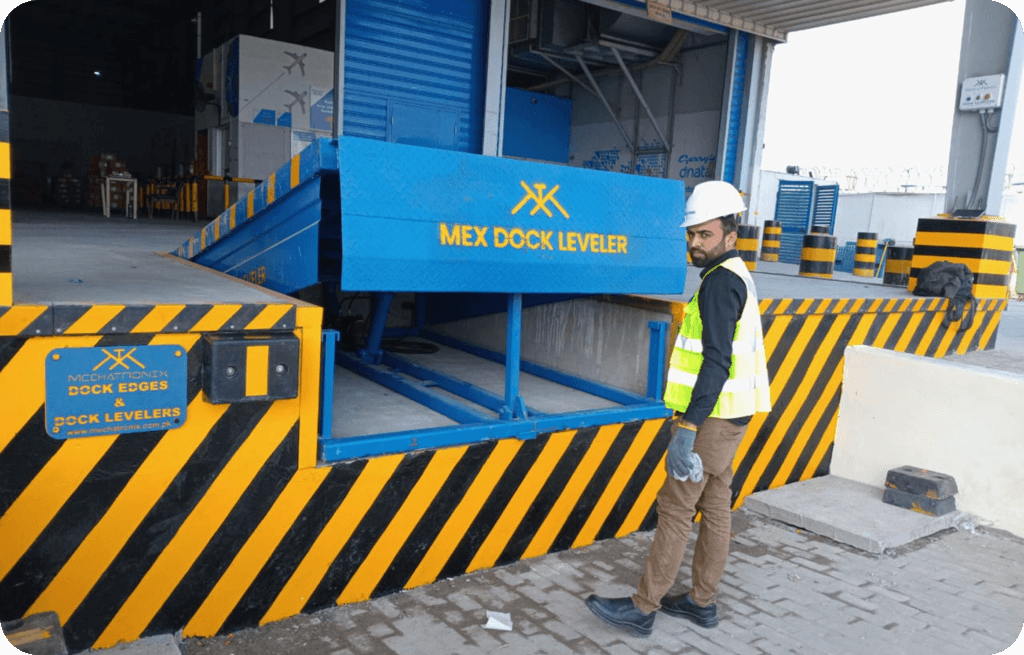
Common Questions About Road Blockers and Their Expert Answers! What Are Road Blockers? Road blockers are heavy-duty security barriers designed to prevent unauthorized vehicle access to restricted areas. These robust systems are essential components of perimeter security for high-risk facilities including government buildings, military installations, embassies, and critical infrastructure sites. How Do Road Blockers Work? Road blockers operate through hydraulic or electro-mechanical systems that raise and lower a solid steel barrier from beneath the road surface. When activated, the barrier rises to prevent vehicle passage, and when deactivated, it retracts flush with the ground to allow authorized vehicles through. What Are the Main Types of Road Blockers? There are several types of road blockers available: Hydraulic Road Blockers: Powered by hydraulic systems, offering smooth and reliable operation Electro-Mechanical Road Blockers: Use electric motors for operation, ideal for frequent use Shallow Mount Road Blockers: Require minimal foundation depth, perfect for areas with underground utilities Crash-Rated Road Blockers: Tested and certified to stop vehicles at specific speeds and weights What Security Ratings Should I Consider? Road blockers are tested according to international standards such as PAS 68, ASTM F2656, and IWA 14-1. These ratings indicate the blocker’s ability to stop vehicles of specific weights traveling at certain speeds. Common ratings include K4, K8, and K12, with K12 being the highest level of protection. How Much Maintenance Do Road Blockers Require? Regular maintenance is crucial for optimal performance. Road blockers should be inspected quarterly, with hydraulic fluid levels checked, seals examined, and electronic components tested. Annual comprehensive servicing by qualified technicians ensures longevity and reliability. What Installation Considerations Are Important? Professional installation is essential. Factors to consider include foundation requirements, power supply availability, drainage systems, integration with access control systems, and compliance with local regulations. The installation site should be assessed for underground utilities and soil conditions. Conclusion Road blockers represent a critical investment in perimeter security. By understanding their operation, types, and maintenance requirements, organizations can make informed decisions that enhance their security infrastructure and protect valuable assets. waseeqaftab786@gmail.com March 26, 2026 4:49 pm