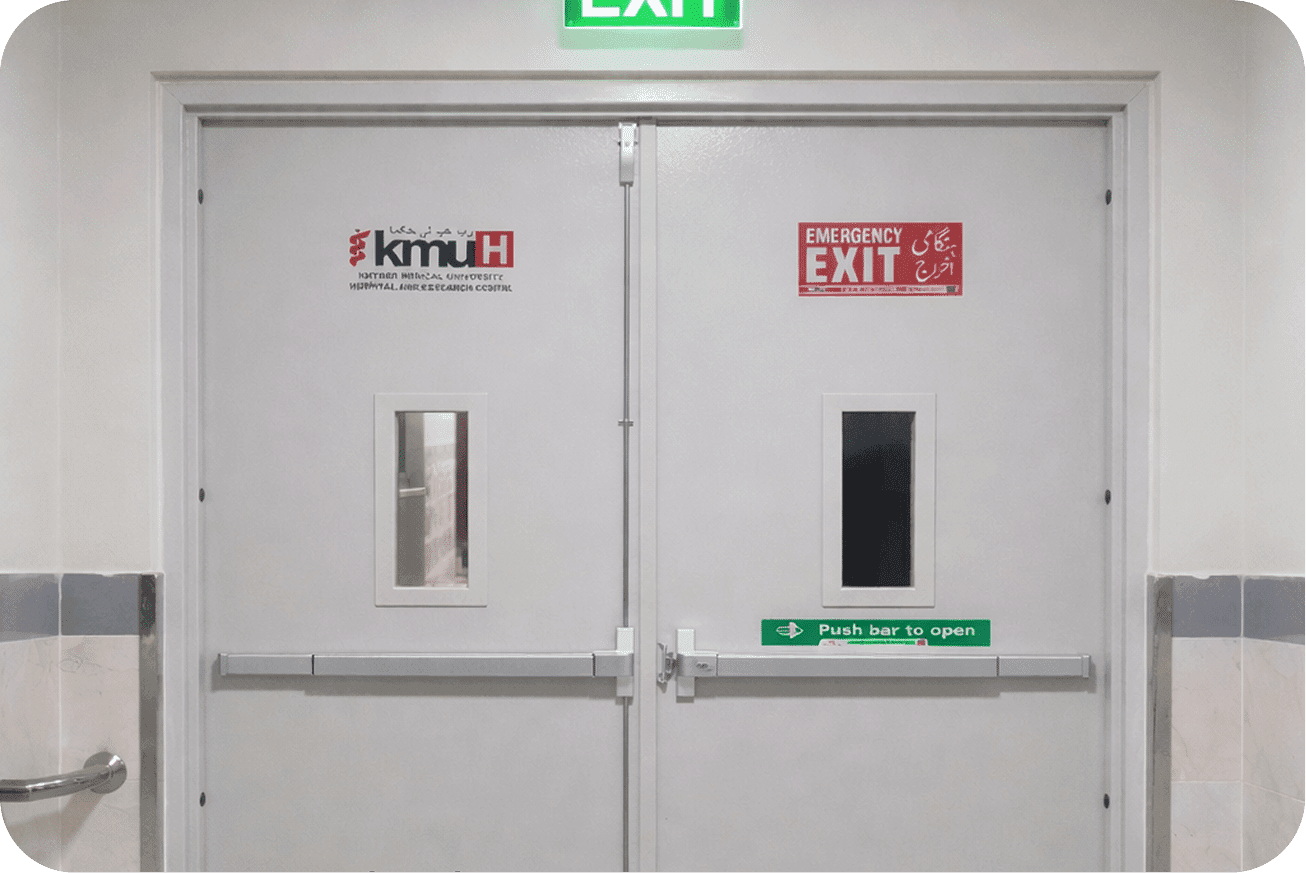
When we think about fire safety in commercial buildings, the first thing that usually comes to mind is ticking off boxes for compliance. Many owners and managers assume that if they’ve followed the National Building Code of Pakistan or the CDA Building Bylaws, they’re covered. But the truth is, following the rules is just the starting point not the finish line.
A tragic gas explosion in Multan, Punjab, claimed five lives and injured 31 others early Monday. The blast, caused by a liquefied petroleum gas leak, sparked a massive fire that tore through a residential colony around 12:25 a.m., scattering debris and causing widespread damage. This heartbreaking incident shows how essential proper fire safety plans, regular maintenance, and emergency preparedness are in residential areas to prevent such disasters.
That’s why having a working fire escape plan and mandatory precautions is more than just about compliance. It’s about protecting lives, reducing panic, and giving people a real chance to get out safely.
Think about your office, factory, or shop floor for a second. If a fire broke out, would your team know which way to run? A solid fire escape plan needs to show both a primary and secondary escape route for every person in the building. These routes should never be blocked not by furniture, storage boxes, or anything else.
Signs should glow in the dark and be visible even through smoke. They should point clearly toward the exits. In Pakistan, where power outages are still common, this becomes even more critical.
Where do you go once you’re outside? A safe, open area far from vehicles, electrical boxes, or fuel sources is what you need. This is where your team can gather, take a headcount, and check if anyone needs help.
Imagine trying to find your team members in chaos with no designated spot. It wastes precious minutes. So, set a fixed place and make sure everyone knows it.
Picture this: a fire breaks out during office hours. Smoke fills the halls, and the lights go out. People panic. Now imagine the same scene but glowing lights mark the exits, and emergency lights guide the way. Big difference, right?
That’s why emergency lighting and photoluminescent exit signs are not optional. They’re lifesavers. Make sure they’re tested regularly. Batteries fail, and bulbs burn out, don’t wait to find out during an emergency.
Not all fires grow instantly. Some start small and if handled right, can be put out fast. That’s where fire extinguishers come in. Most workplaces need ABC dry chemical extinguishers. These are good for paper, electrical, and fuel-based fires.
But if you run a kitchen or a lab, you might need wet chemical or CO2 extinguishers instead. Just having them isn’t enough. People should know how to use them. First aid kits should also be available on every floor and visible. Basic training for staff can make a real difference in those first few minutes.
In an emergency, seconds matter. There should be no confusion about who is calling 1122 or the fire brigade, who is activating the alarm, or who is leading others to safety.
Assign Fire Wardens people trained to guide their teams out and manage the situation. Think of them as your go-to safety leaders during a fire. In high-stress moments, leadership brings calm.
You probably pass by your office doors every day without thinking twice. But fire-rated doors are silent heroes during a fire. They can hold back flames and smoke for anywhere between 30 to 120 minutes, depending on the type.
These doors protect your staircases and hallways the main escape routes. But only if they’re installed correctly. That means using certified frames, self-closing mechanisms, and never ever propping them open. If your building has large glass windows or internal windows, consider installing fire-rated glass as well.
Also, get them inspected regularly. A warped door or broken seal could fail when you need it most.
Every person matters. Your fire escape plan should help those who can’t use stairs or may not hear alarms. You might need evacuation chairs, tactile floor indicators, or buddy systems to help them out. If you don’t plan for them, you’re leaving people behind.
If your building has more than six floors, you can’t expect everyone to rush down the stairs at once. That’s a recipe for chaos. Instead, plan for staggered evacuations. Assign Floor Marshals who can coordinate movement safely. Elevators are out of the question during a fire, so stairs must stay clear and functional.
We know winters in parts of Pakistan like Murree, Quetta, or even northern Punjab can get rough. Snow and ice can block exits or make outdoor paths slippery. So, make sure winter maintenance includes de-icing and clearing snow from emergency exits.
Not every building is the same. A garment factory will have different fire risks than a restaurant or a chemical warehouse. For example, kitchens need to watch for grease fires, while labs may need chemical spill containment. Customize your fire escape plan based on the actual risks in your space.
Teach your team about exits, alarms, and who their fire wardens are. Practice using extinguishers. Walk them through the assembly point. Fire safety isn’t just a job for the safety officer, it’s everyone’s responsibility.
Have fire drills at least twice a year. After each one, get feedback. Did people know where to go? Was there confusion? Use that input to update your plan and fix weak spots.
When someone joins your company, don’t just show them their desk and computer. Introduce them to your fire escape plan on Day 1. That’s how you build a culture where safety is part of everyday life not just a document gathering dust in the HR department.
Fire escape plans should grow with your building. If you renovate, add floors, or shift departments, revisit the plan. Also, update it if your staffing changes or new equipment is added.
Keep printed copies at the security desk, safety board, and with facility management. Digital versions should also be easily accessible from office systems.
There are numerous companies working to create smarter, safer spaces in Pakistan. From certified fire-rated doors and emergency lighting to full fire protection strategies, they help you move beyond minimum compliance into real safety.
Whether you run a multi-storey office, a manufacturing facility, or a retail outlet, Mechatronix Solutions can help design a plan that fits your space and protects your people.
Contact us today to discuss how we can help safeguard your building and everyone in it. Let’s create a fire safety plan that actually works—because when fire strikes, only real preparation makes a difference.